What to Expect from Professional Photo Production Services
When marketing directors and brand leads commission commercial imagery, they are rarely paying for someone to simply show up with a camera and press a shutter. Investing in comprehensive photo production services means hiring a dedicated crew, strategic project management, lighting design, talent coordination, and technical post-processing.
Whether you are refreshing brand assets for an enterprise firm or documenting complex workflows across an active industrial floor, understanding the full scope of professional production helps your team build realistic budgets, align stakeholders, and protect your return on investment. Here is an inside look at how full-service photo production works from initial concept to master delivery.
What Do Full-Service Photo Production Services Include?
A turn-key commercial shoot consists of three distinct phases: pre-production, production (the shoot day), and post-production. When evaluating proposals, ensure your production partner accounts for each stage rather than treating logistical preparation as an afterthought.
1. Pre-Production: The Strategic Foundation
Pre-production accounts for roughly 40% of the overall workload. During this phase, we establish the creative guardrails and eliminate surprises on set:
- Creative Treatment & Shot Lists: Translating brand guidelines into prioritized hero frames, candid b-roll stills, and crop-ratio matrices (e.g., website banners vs. vertical mobile formats).
- Location Scouting & Permits: Assessing available daylight, electrical capacity, ceiling clearance, and security requirements.
- Talent & Wardrobe Coordination: Casting authentic models or briefing internal staff on compliant attire, hair, makeup, and Personal Protective Equipment (PPE).
- Logistics & Call Sheets: Constructing minute-by-minute schedules that prevent plant floor shutdowns or executive downtime.
2. Production: On-Set Execution
On shoot day, technical precision meets creative agility. Depending on scale, a standard crew involves a lead photographer, a digital technician running a live tethered workstation, lighting grips, and an assistant. Tethered capture allows marketing leads to review frames in real time on calibrated monitors, signing off on composition and brand compliance before moving to the next setup.
3. Post-Production: Asset Finishing
Capturing raw files is only the halfway mark. Professional post-production transforms raw sensor data into commercial-grade visual assets through colour grading, skin tone balancing, lens correction, and clean composite retouching.
How Photo Production Services Differ by Industry Sector
Commercial photography is never one-size-fits-all. Scoping requirements shift dramatically depending on your working environment and regulatory pressures.
Corporate and Executive Environments
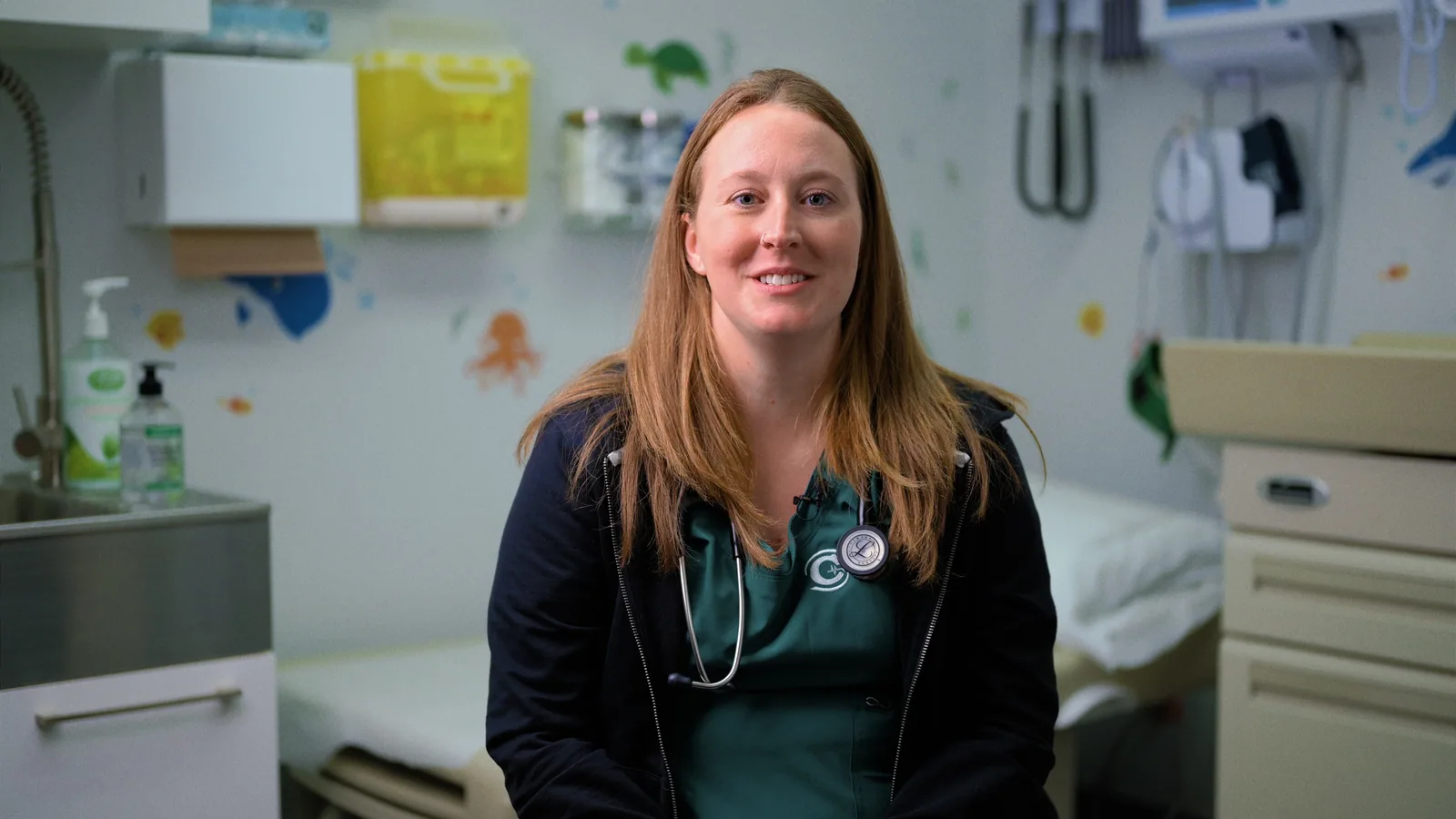
In our corporate photography assignments, the priority is executive efficiency and cohesive brand tone. Executive board members often have mere 15-minute windows between meetings. We pre-light sets, test colour balances, and capture high-calibre executive portraits, environmental headshots, and candid team collaboration scenes with minimal disruption to daily workplace operations.
Manufacturing and Industrial Facilities
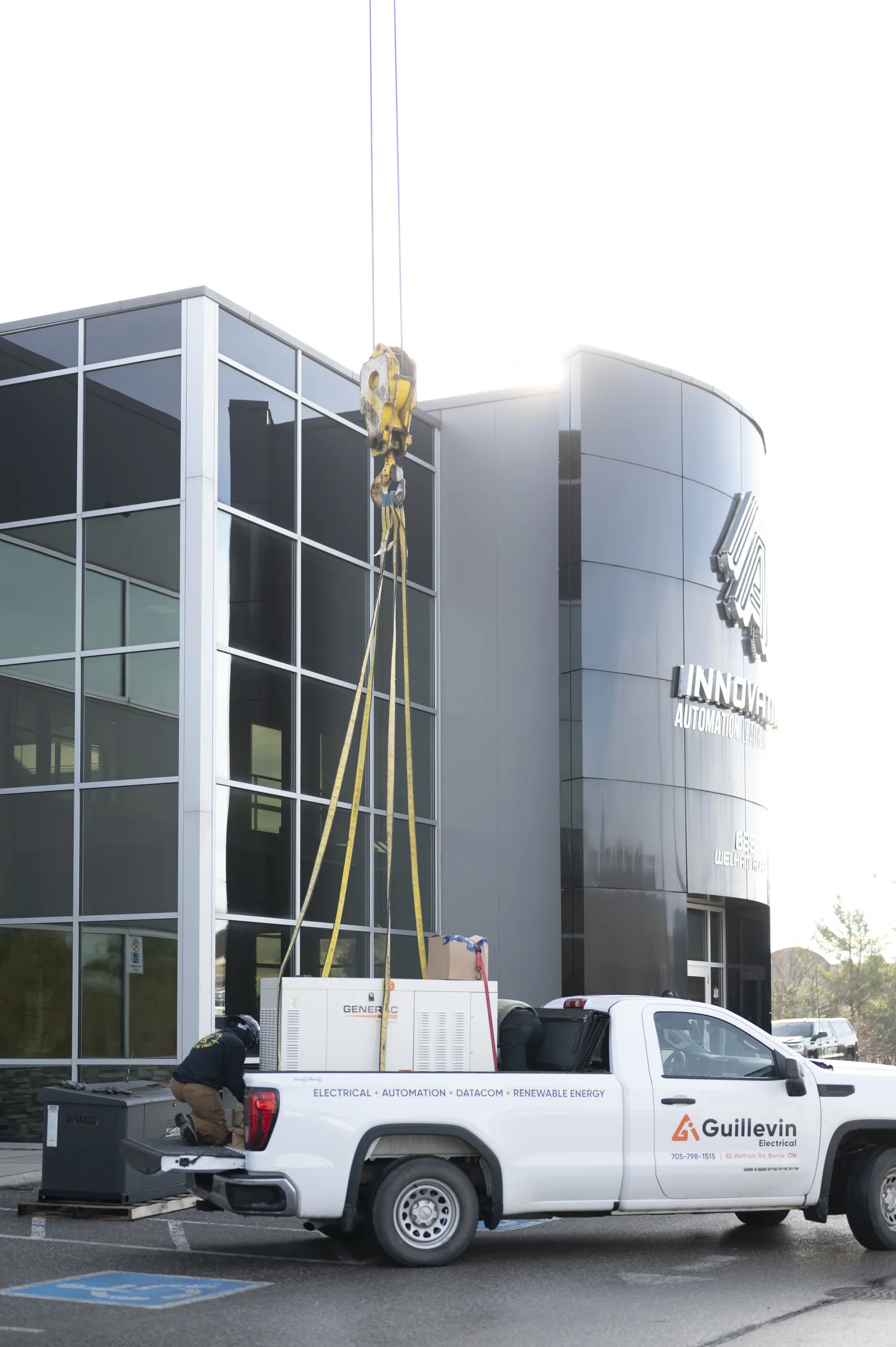
On active shop floors and fabrication lines, production safety dictates everything. Executing photo production across manufacturing environments requires:
- CSA-approved safety gear (steel-toe footwear, high-visibility vests, eye protection, hard hats).
- Pre-shoot site inductions and hazard assessments.
- Specialized wireless strobe systems that illuminate expansive, windowless industrial spaces without running dangerous trailing power cables across active forklifts or automated robotics paths.
Key Factors That Drive Photo Production Services Pricing
When reviewing bids, line items frequently confuse procurement teams. Commercial photo production pricing is driven by five distinct levers:
| Cost Driver | Impact on Scope & Budget | | :--- | :--- | | Creative Crew Size | Lead photographer, 1st assistant, digital tech, hair/makeup stylist, and safety monitors. Larger sets require specialized hands. | | Location & Permitting | Studio rental rates vs. on-site operational downtime, municipal film permits, and safety officer fees. | | Lighting & Grip Packages | Battery-powered high-speed strobes, diffusion flags, overhead trusses, and redundant backup camera systems. | | Licensing & Usage Rights | Internal corporate use vs. paid global digital advertising campaigns, billboard usage, and perpetual digital rights. | | Retouching Complexity | Standard global exposure/colour balance vs. advanced digital cleaning, screen replacements, and machine hazard removal. |
Checklist: Preparing Your Team for a Production Shoot
To maximize the value of your commercial shoot day, thorough client-side preparation is essential. Here is a practical checklist we provide marketing teams before stepping on set:
- Approve the Shot List Early: Secure internal sign-off from legal, communications, and operations on must-have frames at least one week prior to call time.
- Brief On-Camera Employees: Issue written guidelines regarding corporate dress codes, grooming standards, and required safety gear.
- Prep the Facility: Clean windows, stow loose inventory pallets, wipe down machinery, and clear clutter from conference tables or facility walkways.
- Designate an Internal Runner: Assign an internal stakeholder who knows staff members, carries facility access keys, and can quickly resolve access bottlenecks.
- Confirm Brand Assets: Provide high-resolution vector logos, approved brand colour palettes, and packaging mockups in advance.
For broader visual campaigns requiring simultaneous motion capture, exploring integrated commercial photography alongside video teams can save up to 30% in duplicate location and talent fees.
FAQ
What is included in commercial image licensing?
Commercial licensing defines how, where, and for how long you can legally display the delivered photographs. Most commercial projects include unlimited digital, web, collateral, and internal marketing rights. Large-scale out-of-home (OOH) billboards, print broadcast ads, or third-party resale rights may require extended licensing clauses tailored to your distribution plan.
How far in advance should we book photo production services?
For mid-to-large-scale projects, booking four to six weeks in advance ensures optimal crew availability, permit clearances, and thorough location scouting. However, smaller executive shoots or time-sensitive editorial coverage can often be coordinated within two weeks.
What is tethered shooting and why does it matter?
Tethered capture involves connecting the camera directly to a calibrated digital workstation on set. This allows art directors, marketing managers, and stakeholders to view images at full resolution immediately. Tethering catches wardrobe wrinkles, lighting reflections, or safety violations on set, preventing costly re-shoots.
How long does post-production take to deliver final files?
Standard delivery for commercial projects ranges between 7 to 10 business days following the client's final selection round. Rush turnarounds (24 to 48 hours) can be accommodated with prior planning for press releases or time-sensitive product launches.
Ready to Plan Your Next Commercial Shoot?
High-calibre imagery builds brand credibility, accelerates recruitment pipelines, and converts enterprise buyers. If you are preparing an upcoming project and need experienced production guidance, request a tailored quote from our team to review timelines, deliverables, and production budgets.
Related on Studio 204